

Understanding C-Section Recovery
Cesarean delivery is one of the most commonly performed surgical procedures worldwide. While most C-section incisions heal without complications, it’s completely normal to have questions about scar healing, skin changes, and abdominal recovery.
Understanding what’s normal—and what’s not—can help you feel more confident and know when to seek medical advice.
With over 28 years of experience in obstetrics and gynecology, our practice supports patients through every stage of pregnancy, delivery, and postpartum recovery. This guide is designed to help you better understand C-section scar healing and available treatment options.
Understanding C-Section Scar Healing
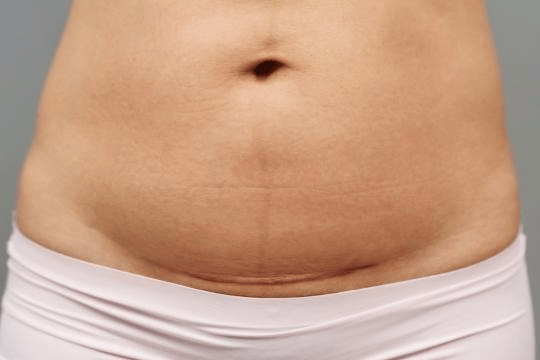
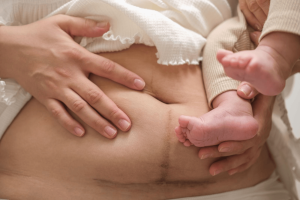
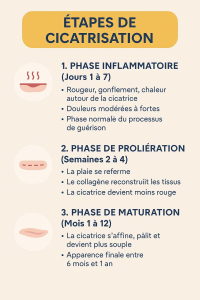
Healing after a C-section is a gradual process that continues for several months—and even up to a year—after delivery.
Most scars go through three main stages:
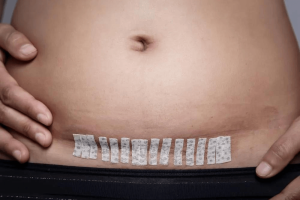
- Early Healing: Redness, mild swelling, and tenderness around the incision
- Intermediate Stage: The scar begins to flatten and fade
- Maturation Phase: Scar tissue softens and becomes less noticeable over time
Every patient heals differently, but in most cases, scars improve significantly with time.
Common Questions About C-Section Scars
Many women experience similar concerns during postpartum recovery. Here are some of the most common:
C-Section Scar Healing Stages
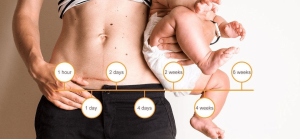
What should your scar look like week by week? Understanding normal progression helps reduce unnecessary worry.
Raised or Thickened Scars
Some scars may become raised (hypertrophic or keloid). These can often be managed with appropriate treatments.
Dark or Discolored Scars
It’s common for scars to appear darker than surrounding skin, especially in the early months.
Itching, Numbness, or Tingling
These sensations are part of nerve healing and are usually temporary.
Normal vs. Concerning Healing
Signs like excessive redness, discharge, or worsening pain may require medical evaluation.
C-Section “Shelf” or Abdominal Overhang
Some women notice a fold of skin above the incision. This is common and can improve with time or targeted treatments.
Treatment Options for C-Section Scars
If you’re concerned about the appearance or comfort of your scar, several treatment options may help:
- Silicone gel or silicone sheets to improve scar texture
- Scar massage (once healing allows) to soften tissue
- Topical creams designed for scar reduction
- Laser treatments for pigmentation and texture improvement
- Scar revision procedures in select cases
Treatment depends on your individual healing pattern and should always be guided by a medical professional.
Supporting Healthy Healing
There are simple but important steps you can take to promote better healing:
- Follow all postoperative care instructions
- Avoid heavy lifting during early recovery
- Protect the scar from sun exposure
- Attend all postpartum follow-up visits
Most patients notice steady improvement in their scar over the first year.
Postpartum Care and Follow-Up
Postpartum visits are essential for monitoring healing and addressing any concerns. During these appointments, your physician can:
- Evaluate your incision
- Answer questions about scar changes
- Recommend treatments if needed
Ongoing care ensures you feel supported, informed, and confident throughout your recovery.
Comprehensive Pregnancy & Postpartum Care
Our practice provides expert obstetric and postpartum care for patients across Bergen County and Northern New Jersey, including:
- Englewood
- Paramus
- Tenafly
- Fort Lee
- Hackensack
- Ridgewood
- Closter
- Alpine
We also welcome patients from nearby counties and the New York metropolitan area.
Schedule a Consultation
If you have questions about C-section recovery, scar healing, or postpartum concerns, we’re here to help.
Early guidance can make your recovery smoother and more comfortable.
Contact our office today to schedule a personalized consultation.