

Understanding C-Section Recovery
A cesarean section is a common surgical procedure used to deliver a baby. After surgery, the body needs time to heal both internally and externally. Most women recover well, but occasionally the incision may develop healing problems.
Women recovering from a C-section often ask how to tell whether their incision is healing normally. Recognizing potential warning signs early can help ensure prompt medical evaluation and treatment when necessary.
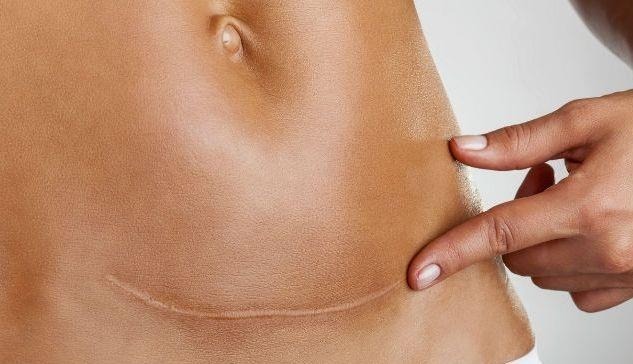
What a Normal C-Section Scar Looks Like
During the first several weeks after surgery, it is normal to experience:
Mild swelling around the incision
A pink or slightly raised scar
Mild soreness or tenderness
Gradual fading of the scar over time
Most incisions improve significantly during the first few months following delivery.
Signs Your C-Section Scar May Not Be Healing Properly
Although uncommon, certain symptoms may indicate that the incision requires medical evaluation.
Increasing Redness or Swelling
Some redness is expected early in recovery. However, redness that spreads, worsens, or becomes increasingly swollen may indicate inflammation or infection.
Drainage From the Incision
Clear or slightly pink fluid can occasionally occur during early healing. However, persistent drainage, pus, or foul-smelling discharge should be evaluated.
Increasing Pain at the Incision Site
Most patients experience gradual improvement in discomfort after delivery. Pain that worsens rather than improves may be a sign that the incision requires evaluation.
Fever or Chills
A fever during the postpartum period may sometimes indicate infection, particularly if it occurs along with incision redness, swelling, or drainage.
Opening of the Incision
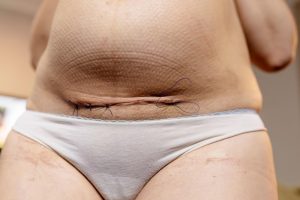
Rarely, a portion of the incision may begin to separate. If the incision appears to be opening or if underlying tissue becomes visible, immediate medical attention is necessary.
Factors That May Affect Healing
Several factors can influence how well a surgical incision heals after a cesarean delivery. These may include:
Infection
Excessive tension on the incision
Diabetes or certain medical conditions
Obesity
Smoking
Significant scar tissue from prior surgeries
Because every patient’s recovery is different, individualized follow-up care is important.
When to Contact Your Doctor
Patients should contact their physician if they experience:
Worsening redness around the incision
Increasing pain or swelling
Fever or chills
Drainage from the incision
Separation of the wound
Early evaluation allows physicians to address potential issues before they become more serious.
Long-Term Appearance of a C-Section Scar
Over time, most cesarean scars fade and become much less noticeable. Some patients may develop thicker or more raised scars depending on their skin type and healing response.
Various medical and cosmetic treatments may help improve the appearance of cesarean scars if concerns arise during recovery.
Postpartum Care and Support
Postpartum care plays an important role in ensuring proper healing after cesarean delivery. Follow-up visits allow your physician to evaluate incision healing, answer questions, and recommend treatment options if needed.
Schedule a Postpartum Evaluation
If you have concerns about your cesarean incision or postpartum recovery, your care team can evaluate your symptoms and guide appropriate treatment. Contact your provider to schedule a visit.
C-Section Scar: Normal vs Concerning Healing
After a cesarean delivery, many patients are curious about how their incision should look during healing. While every patient heals somewhat differently, there are typical patterns of recovery.
What a Normal Healing Scar May Look Like
In the first few weeks after delivery, it is normal for the incision area to appear:
Slightly swollen
Pink or reddish in color
Mildly tender to touch
Firm along the incision line
Over time, the scar usually becomes:
Lighter in color
Flatter
Less noticeable
Most cesarean incisions are made as a low horizontal “bikini incision,” which typically heals well and becomes less visible over time.
When a C-Section Scar May Need Medical Attention
Patients should contact their doctor if they notice:
Increasing redness spreading around the incision
Significant swelling or warmth
Drainage or fluid from the incision
Separation of the incision edges
Fever or worsening pain
In many cases, evaluation provides reassurance and ensures healing is progressing normally.
Tips for Supporting Healthy Healing
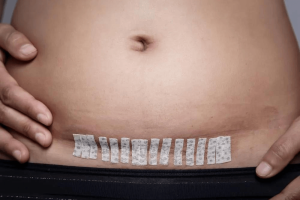
Keep the incision clean and dry
Avoid heavy lifting during early recovery
Follow postoperative care instructions
Attend postpartum follow-up visits
Most patients experience steady improvement over the first several months.
When Will the Scar Fade?
C-section scars continue to mature and fade for 6–12 months after delivery. During this time, the scar typically becomes lighter and flatter.
Dark or Discolored C-Section Scar
Why a Scar May Appear Darker
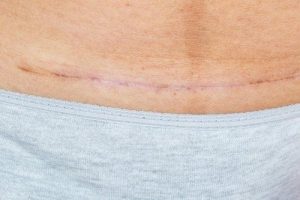
After a cesarean delivery, some scars may appear darker, red, or slightly raised. This is often due to increased pigment production during healing.
Patients may notice:
Darker skin tone around the scar
Red or purple coloration
Slight thickening
This is common and often improves over time.
Treatment Options for Discoloration
Silicone gel or silicone sheets
Scar massage (after healing)
Topical creams
Dermatologic treatments such as laser therapy
Protecting the Scar
Avoid excessive sun exposure
Keep the incision clean and dry
Follow postoperative instructions
Attend follow-up visits
When to Contact Your Doctor
Seek evaluation if you notice:
Increasing redness or swelling
Worsening pain
Drainage
Unusual changes in scar appearance
Treatment for a Raised C-Section Scar
Why Scars Become Raised
Raised scars may occur when the body produces excess collagen during healing. These scars may appear:
Thickened or firm
Pink, red, or darker
Occasionally itchy or sensitive
Treatment Options
Silicone gel or sheets
Steroid injections
Laser treatments
Scar massage
Surgical scar revision in select cases
When to Seek Medical Advice
Contact your physician if you notice:
Rapid scar thickening
Persistent itching or discomfort
Increasing redness or swelling
Changes in scar appearance
Healing Takes Time
Scar healing continues for many months after cesarean delivery. Most scars gradually become flatter, lighter, and softer over time.
In some cases, advanced surgical techniques may be considered to improve scar appearance and overall healing.
If you want, I can next:
Turn this into a clean website layout (sections → pages structure)
Or make it more persuasive / patient-converting (clinic-style copywriting)