
What Is a C-Section Shelf?
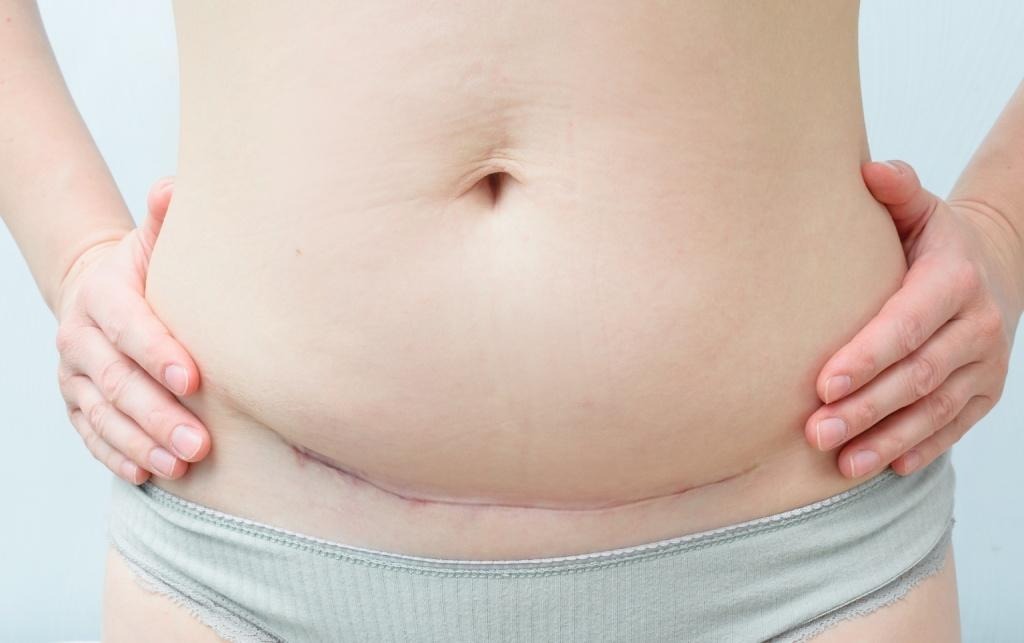
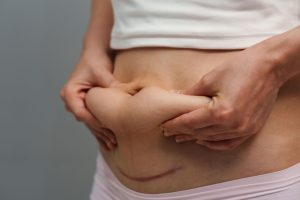
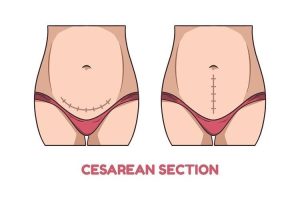
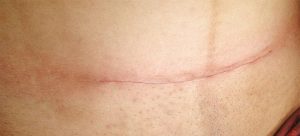
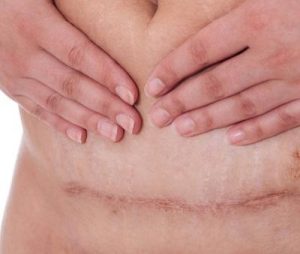
After a cesarean delivery, some women notice a small fold or overhang of skin just above the incision site, commonly referred to as a “C-section shelf.”
While this change can feel frustrating or concerning, it is extremely common and usually does not indicate a medical problem. Understanding why it happens and what treatment options are available can provide reassurance during postpartum recovery.
Why a C-Section Shelf Forms
Several factors can contribute to the development of a small overhang above the cesarean scar:
- Stretching of abdominal skin during pregnancy
- Separation or weakening of abdominal muscles (diastasis recti)
- Scar tissue anchoring the incision to deeper layers
- Natural fat distribution in the lower abdomen
- The body’s normal healing process after surgery
Since the skin above the scar remains more flexible while the scar itself is firmer, a small fold or contour change can develop naturally.
Is a C-Section Shelf Permanent?
For many women, the lower abdomen continues to evolve for several months after delivery. Over time, the overhang may improve as:
- Skin elasticity gradually returns
- Abdominal muscles strengthen
- Postpartum swelling reduces
- Scar tissue heals fully
Some women may continue to notice a subtle contour difference even after full recovery, which is normal.
Treatment Options for a C-Section Shelf
There are several approaches to help improve the appearance of the lower abdomen after cesarean delivery:
Scar Massage
- Gentle massage of the incision site, once fully healed, can reduce tightness and improve flexibility of scar tissue.
Core and Abdominal Rehabilitation
- Postpartum exercises and physical therapy targeting abdominal muscles and pelvic floor can improve overall abdominal contour.
Non-Surgical Treatments
- Skin tone and scar treatments from dermatology or aesthetic specialists may help improve the area’s appearance.
Surgical Options
- In cases where the shelf remains bothersome, procedures like scar revision or abdominal contour surgery can be considered after full postpartum healing.
Preventing Irritation Around the Scar
If the C-section shelf causes skin irritation:
- Keep the area clean and dry
- Wear comfortable, non-restrictive clothing
- Maintain good skin hygiene
Most irritation improves naturally as healing progresses.
Reassurance for Patients
Changes in the lower abdomen after cesarean delivery are a normal part of the body’s healing process. Many women notice gradual improvement over time.
If you are concerned about your C-section scar, abdominal contour, or postpartum recovery, your physician can evaluate your healing and discuss appropriate treatment options.
Postpartum Care in Bergen County
Our practice provides comprehensive obstetric and postpartum care for women throughout Bergen County and Northern New Jersey, including:
- Englewood
- Paramus
- Tenafly
- Fort Lee
- Hackensack
- Ridgewood
- Closter
- Alpine
We also welcome patients from Rockland County NY, Orange County NY, Passaic County NJ, Ocean County NJ, and the New York metropolitan area.
Schedule a Consultation
If you have questions about C-section recovery, scar healing, or postpartum body changes, our experienced team is here to guide you.
Early consultation can help ensure a safe, informed, and supported recovery.
Contact our office today to schedule your personalized evaluation.