

Understanding Placenta Accreta
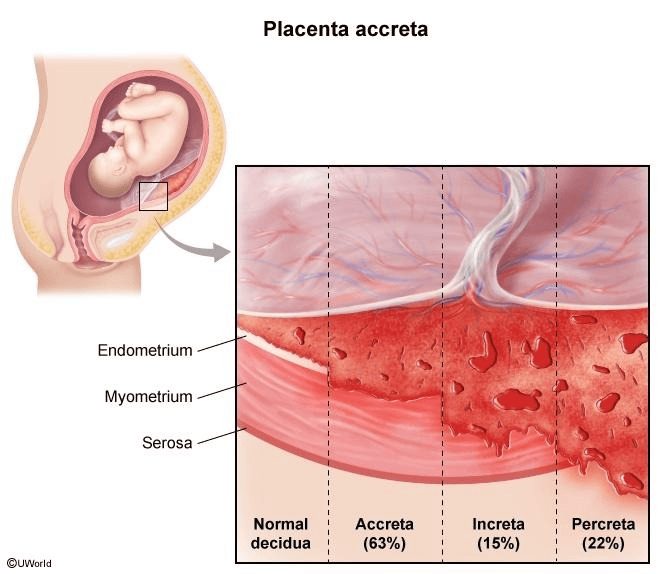
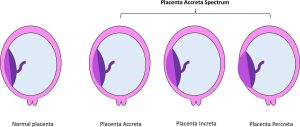
Placenta accreta spectrum disorders occur when the placenta attaches too deeply into the uterine wall and does not separate naturally after delivery. This condition can lead to serious complications—most notably severe bleeding during labor or cesarean delivery.
Because of these risks, early detection and proper planning are essential to protect both mother and baby.
Who Is at Risk?
Certain factors can significantly increase the likelihood of developing placenta accreta. You may be at higher risk if you have:
- Multiple prior cesarean (C-section) deliveries
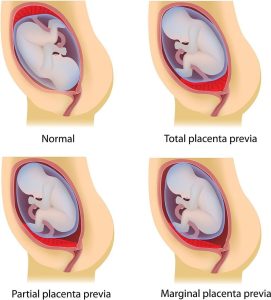
- Placenta previa (when the placenta covers the cervix)
- A history of uterine surgery or scarring
- Advanced maternal age
- Previous complicated pregnancies or deliveries
If any of these apply to you, it’s important to be evaluated by an experienced OB-GYN who specializes in high-risk pregnancies.
Warning Signs of Placenta Accreta
While placenta accreta is often diagnosed through prenatal imaging, there are key warning signs you should never ignore:
1. Vaginal Bleeding During Pregnancy
- Most common in the second or third trimester
- May occur without pain or with mild cramping
2. Abnormal Placental Position on Ultrasound
- Detected during routine prenatal scans
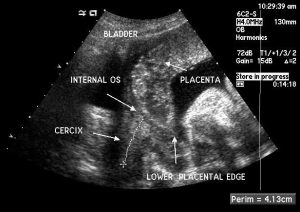
- Conditions like placenta previa or a low-lying placenta may raise concern
3. History of Multiple C-Sections
- The risk increases with each additional cesarean delivery
4. Previous Uterine Surgery
- Procedures such as myomectomy or fertility-related surgeries can elevate risk
Important: If you experience any of these signs, consult your OB-GYN immediately. Early evaluation can significantly reduce complications during delivery.
Why Early Detection Matters
Placenta accreta is a serious condition that can lead to:
- Severe maternal bleeding
- Emergency hysterectomy
- Preterm delivery
- Increased health risks for the baby
However, with early diagnosis, your care team can create a well-coordinated delivery plan, ensuring the right specialists and resources are available when needed.
Diagnosis and Monitoring
Managing placenta accreta requires a proactive and structured approach. This typically includes:
- High-resolution ultrasound imaging
- MRI scans in selected cases for detailed evaluation
- Close monitoring of placental attachment and development
- Coordination with hospital-based surgical and neonatal teams
This level of care helps ensure a safe and controlled delivery experience.
Expert Care for High-Risk Pregnancies
Patients across Englewood, Tenafly, Fort Lee, Paramus, and surrounding areas trust specialized OB-GYN practices for managing complex pregnancies like placenta accreta.
An experienced care team can provide:
- Advanced management of placenta accreta spectrum disorders
- Coordinated delivery planning with surgical teams
- Personalized care and guidance throughout pregnancy
Schedule a Consultation
If you have risk factors such as prior cesarean deliveries or concerns about placental attachment, don’t wait.
Early consultation can make all the difference.
Reach out to schedule a personalized evaluation and ensure a safe, well-prepared delivery plan for you and your baby.