

Advanced Obstetric Ultrasound & High-Risk Pregnancy Care
More Than an Ultrasound. A Complete Picture of Your Pregnancy.
When you are pregnant, uncertainty about your baby’s health can be frightening. If your pregnancy needs closer monitoring, you deserve more than an ultrasound and a report. You deserve answers, continuity, and a clear plan for what happens next.
At OBGYNTEAM, advanced obstetric imaging, serial fetal growth monitoring, specialized Doppler studies, and on-site amniocentesis come together in one practice.
Rather than piecing together disconnected examinations and reports, you benefit from a coordinated approach that follows your baby’s development, evaluates concerning changes, and helps guide the next steps.
Whether you need a detailed fetal anatomy ultrasound or specialized monitoring for a high-risk pregnancy, our goal is to help you feel informed, supported, and confident that your concerns are being taken seriously.
Detailed Second Trimester OB Ultrasound


Accreditation category
Detailed Second Trimester OB Ultrasound
AIUM-Accredited Detailed Second-Trimester Obstetric Ultrasound
A recognized distinction in ultrasound quality.
OBGYNTEAM holds accreditation from the American Institute of Ultrasound in Medicine (AIUM) specifically for Detailed Second Trimester OB Ultrasound.
AIUM accreditation is a voluntary, peer-reviewed process that evaluates an ultrasound practice against recognized standards for its accredited specialty. The process addresses important aspects of examination quality, including personnel qualifications, equipment quality assurance, clinical documentation, patient safety, and review of clinical cases.
This is more than simply having advanced ultrasound equipment. It reflects a commitment to recognized standards for how examinations are performed, documented, and evaluated.
Why does this matter to you?
A detailed fetal anatomy ultrasound is an important medical examination. It requires a systematic assessment of fetal structures, careful documentation, and appropriate interpretation of the findings.
When you are waiting to learn whether your baby is developing as expected, you want to know that the quality of the examination matters to the practice performing it.
AIUM accreditation provides independent recognition that OBGYNTEAM has met established standards in detailed second-trimester obstetric ultrasound.
It does not guarantee that every abnormality will be detected, but it offers an additional measure of confidence when choosing where to have this important examination performed.
Combined with our ability to evaluate growth over time, perform specialized Doppler studies, and provide on-site amniocentesis when appropriate, this accreditation is part of a broader approach to connected pregnancy care.
Why Having Your Pregnancy Evaluated
in One Coordinated Practice Matters
Your baby's growth is a story—not a single measurement.
A single ultrasound provides information about your pregnancy at one point in time. But some of the most important questions can only be answered by comparing findings over time.
- Is your baby growing as expected?
- Has the growth pattern changed since the previous examination?
- Is the placenta supporting your baby's growth appropriately?
- Do blood-flow measurements suggest that closer surveillance is needed?
- Does a finding warrant diagnostic testing or consultation with a maternal-fetal medicine specialist?
These questions are especially important when a pregnancy is affected by fetal growth restriction, suspected fetal anemia, or another condition requiring specialized monitoring.
At OBGYNTEAM, we can evaluate ultrasound findings in the context of your pregnancy history and previous measurements. When serial monitoring is indicated, we can compare growth trends, assess relevant Doppler findings, and help determine the next steps.
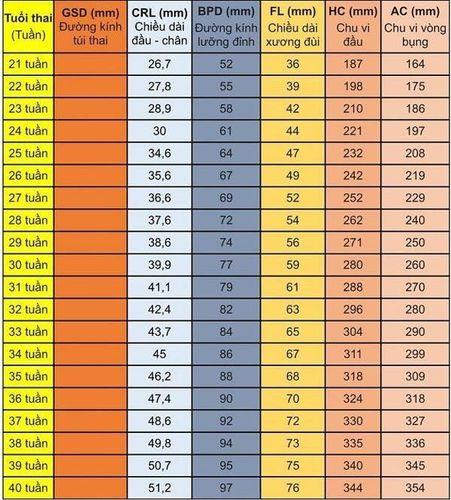
Why not piece together your care from separate appointments and reports?
Receiving an ultrasound report is only one part of the process. The clinical value comes from understanding what the findings mean for your pregnancy and how they compare with previous results.
When examinations occur in disconnected settings, information may be spread across different reports, facilities, and providers. This can make it harder to assemble the complete clinical picture, leaving patients wondering who will explain the findings or coordinate the next step.
At OBGYNTEAM, our approach is designed to connect the pieces.
We do not look at an ultrasound in isolation when the broader clinical picture matters. We can trend fetal growth, review changes in measurements, assess specialized blood-flow studies, and arrange additional diagnostic evaluation when indicated.
For you, this means a more connected approach to care, fewer unanswered questions, and clearer guidance about what comes next.
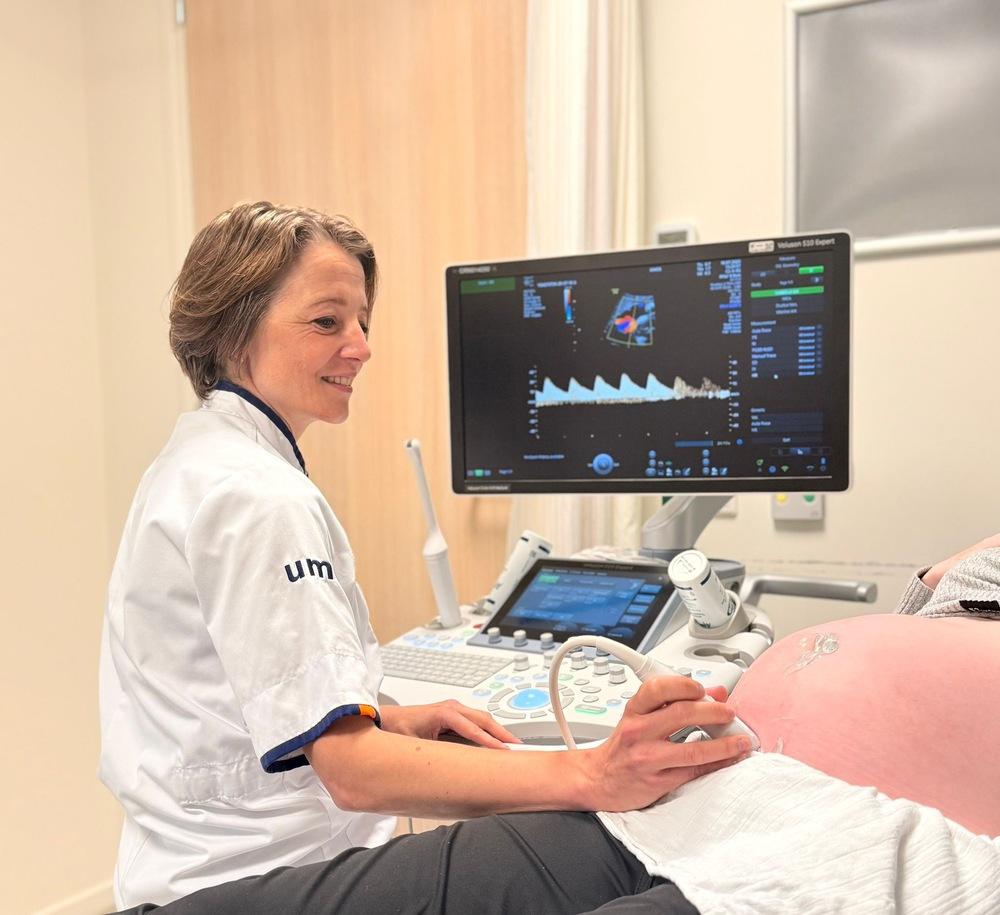
Comprehensive Obstetric Ultrasound Services
We offer a broad range of obstetric ultrasound examinations to evaluate your baby’s development, pregnancy progression, and well-being.
Early Pregnancy Ultrasound
Early ultrasound helps evaluate the location and development of a pregnancy, establish gestational age when appropriate, and assess early findings.
When bleeding, pain, or uncertainty raises concern, an ultrasound can provide important diagnostic information and help determine whether additional evaluation is needed.
First-Trimester Screening & Nuchal Translucency
First-trimester ultrasound evaluates early fetal development and may include measurement of the nuchal translucency, a fluid space at the back of the fetal neck.
This measurement can contribute to screening for certain chromosomal conditions. It is a screening assessment, not a diagnosis, and is interpreted alongside other relevant clinical information and testing.
Detailed Fetal Anatomy Ultrasound — Level II
The detailed second-trimester fetal anatomy ultrasound evaluates major fetal structures, including the brain, spine, heart, abdominal organs, limbs, and other structures that can be assessed at the appropriate stage of pregnancy.
This examination can identify many structural abnormalities and findings that may require additional evaluation. Although no ultrasound can detect every condition, a detailed anatomy examination provides important information about your baby’s development.
If an unexpected finding is identified, we can explain its significance and help determine the appropriate next steps.
Serial Fetal Growth Monitoring
One measurement tells you how big your baby is today. A series of appropriately timed measurements helps show how your baby is growing.
Growth ultrasound estimates fetal size and compares measurements with gestational age. When serial monitoring is indicated, we can compare estimated fetal weight and other measurements over time to assess growth patterns.
This is particularly important when a baby measures smaller than expected, fetal growth restriction is suspected, or excessive fetal growth requires evaluation.
Growth measurements are interpreted alongside amniotic fluid, Doppler findings when indicated, gestational age, and the overall clinical picture.
Biophysical Profile (BPP)
A biophysical profile evaluates selected indicators of fetal well-being using ultrasound. Depending on the examination and clinical circumstances, it assesses fetal breathing movements, body movements, muscle tone, and amniotic fluid volume.
It may be recommended as part of closer surveillance for certain high-risk pregnancies.
Cervical Length Assessment
Cervical length assessment measures the cervix during pregnancy. When clinically indicated, this information can help evaluate preterm birth risk and guide decisions about additional monitoring or preventive interventions.
Fetal Echocardiography
Fetal echocardiography is a specialized ultrasound examination focused on the structure and function of your baby’s heart.
It may be recommended when there are concerns about fetal cardiac development or when maternal, fetal, or family history indicates a need for a more detailed cardiac assessment.
Advanced Doppler Ultrasound
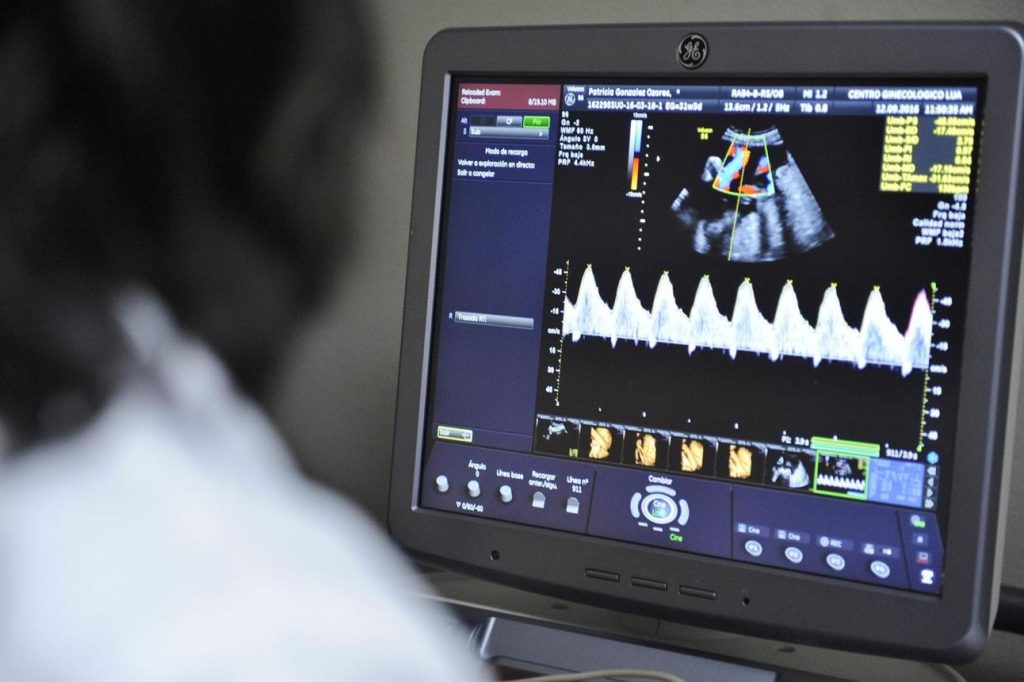
Doppler ultrasound evaluates blood flow in selected blood vessels. In high-risk pregnancies, these studies can provide important information about placental circulation and fetal blood flow.
Depending on the clinical indication, Doppler assessment may include the umbilical artery, middle cerebral artery, and other relevant vessels.
These examinations can be particularly important in pregnancies affected by fetal growth restriction or suspected fetal anemia.
Twin & Multiple-Gestation Ultrasound
Twin and multiple pregnancies may require additional assessment of each baby’s growth, amniotic fluid, and other findings depending on the type of pregnancy and its clinical circumstances.
Appropriate ultrasound surveillance helps identify changes that may require closer monitoring or additional evaluation.
3D & 4D Ultrasound Imaging
Three-dimensional and four-dimensional ultrasound can provide additional views of fetal anatomy and facial features when appropriate. These techniques may supplement selected examinations but do not replace the medical assessment performed during diagnostic obstetric ultrasound.
Specialized Monitoring for High-Risk Pregnancy
When your pregnancy needs closer attention, the details matter.
A high-risk pregnancy does not mean that something will necessarily go wrong. It means that certain medical, placental, or fetal factors may require more careful evaluation.
When a concern develops, you deserve a clear explanation of what is known, what remains uncertain, and what can be done to evaluate the situation.
Fetal Growth Restriction (IUGR)
When your baby measures smaller than expected, the important question is whether your baby is following a normal growth pattern or showing signs of fetal growth restriction.
Evaluation may include serial fetal measurements, estimated fetal weight, amniotic fluid assessment, and specialized Doppler studies when indicated.
By reviewing findings over time, we can better assess changes in growth and placental circulation and help determine whether more frequent surveillance or additional evaluation is needed.
A small baby is not automatically an unhealthy baby. The full clinical picture matters.
Advanced Doppler Surveillance
In certain high-risk pregnancies, Doppler ultrasound provides information that ordinary growth measurements alone cannot supply.
Specialized Doppler studies assess blood flow in selected fetal and placental vessels. When indicated, these measurements can help identify changes associated with placental insufficiency and fetal growth restriction.
The specific vessels examined and the frequency of surveillance depend on gestational age, the clinical findings, and established medical guidance.
Evaluation for Fetal Anemia
When fetal anemia is suspected, specialized Doppler assessment can provide important information without directly measuring the fetal hemoglobin level.
One key technique measures the peak systolic velocity of blood flow in the fetal middle cerebral artery (MCA). When appropriately indicated and interpreted, this measurement helps assess the risk of fetal anemia and determine whether further diagnostic evaluation is needed.
This assessment may be particularly relevant in pregnancies complicated by certain maternal antibodies, red-cell alloimmunization, or other conditions associated with fetal anemia.
Recognizing concerning findings can help guide the next steps, including consultation or further intervention when necessary.
A Monitoring Plan That Responds to Your Pregnancy
High-risk pregnancy surveillance is not the same for every patient. The appropriate plan depends on your medical history, gestational age, ultrasound findings, and the condition being evaluated.
When findings raise concern, we help determine whether additional ultrasound examinations, diagnostic testing, consultation with a maternal-fetal medicine specialist, or hospital-based evaluation is appropriate.
You should not be left trying to interpret a technical report without understanding what it means for you and your baby.
On-Site Amniocentesis & Advanced Prenatal Diagnostic Testing
When you need answers, you deserve clear options and expert guidance.
When prenatal screening or an ultrasound raises a concern, you may need more information than screening alone can provide. In other situations, you may want to discuss diagnostic testing based on your pregnancy history, family history, or personal preferences.
At OBGYNTEAM, amniocentesis is available on-site when clinically appropriate, allowing the procedure to be coordinated with your pregnancy evaluation and follow-up care.
Using ultrasound guidance, a small sample of amniotic fluid is obtained for laboratory analysis. The specific tests selected depend on your clinical circumstances, the reason for testing, and the questions you want answered.
What can amniocentesis test for?
Depending on the indication, laboratory testing may include:
Karyotype (chromosome analysis): Examines the number and structure of chromosomes to identify certain chromosomal abnormalities.
Rapid aneuploidy testing: Provides preliminary results for selected common chromosome abnormalities, depending on the assay used.
Chromosomal microarray: Evaluates chromosomes for smaller gains or losses of genetic material that may not be detected by a conventional karyotype.
Specific molecular or gene testing: Evaluates selected genetic conditions when indicated by family history, screening results, ultrasound findings, or other clinical considerations.
Other specialized testing: Additional laboratory analyses may be considered depending on the individual pregnancy and the diagnostic question.
Not every test is necessary or appropriate for every patient. The recommended testing depends on the clinical situation, and some tests may require additional counseling or coordination with a specialized laboratory.
Understanding your options before making a decision
Screening tests estimate the likelihood of certain conditions. Amniocentesis provides a sample that can be used for diagnostic testing, offering more definitive information about the specific conditions being evaluated.
Before proceeding, we discuss the reasons for testing, the available options, potential benefits and risks, limitations, and alternatives so that you can make an informed decision.
You should not have to navigate a potentially stressful diagnostic process without understanding what is being tested, why it matters, and what the results may mean for your pregnancy.
By bringing advanced obstetric ultrasound, specialized pregnancy monitoring, and on-site amniocentesis together, OBGYNTEAM offers a coordinated approach to prenatal evaluation—from identifying a concern to determining the appropriate next steps.

Why Choose OBGYNTEAM for Advanced Obstetric Ultrasound?
Advanced imaging. Ongoing assessment. A more
connected approach to your pregnancy.
AIUM-accredited detailed second-trimester obstetric ultrasound: A demonstrated commitment to recognized standards for ultrasound quality.
Detailed fetal anatomy ultrasound: A comprehensive evaluation of fetal structures at the appropriate stage of pregnancy.
Serial fetal growth monitoring: Comparison of measurements over time when ongoing assessment is indicated.
Advanced Doppler assessment: Specialized evaluation of fetal and placental blood flow for selected high-risk pregnancy concerns.
Evaluation for fetal anemia: Access to indicated middle cerebral artery Doppler assessment.
Fetal echocardiography: Specialized evaluation of the developing fetal heart, subject to the service’s applicable clinical scope.
On-site amniocentesis: Access to prenatal diagnostic procedures within the practice when appropriate.
Coordinated clinical evaluation: Ultrasound findings considered alongside pregnancy history, previous measurements, and the need for additional testing or referral.
Your care should add up to more than a collection of reports.
When a pregnancy requires closer monitoring, you need more than access to advanced equipment. You need a process for understanding the findings, comparing them over time, and deciding what needs to happen next.
That is the value of bringing advanced obstetric imaging and ongoing pregnancy care together.
Our goal is to help you feel informed rather than overwhelmed, supported rather than left to navigate the next steps alone, and confident that your concerns are being taken seriously.

Frequently Asked Questions About Obstetric Ultrasound
What does AIUM accreditation mean?
AIUM accreditation is a voluntary, peer-reviewed process that evaluates an ultrasound practice against recognized standards for a specific specialty. It addresses aspects of examination quality, including personnel qualifications, equipment quality assurance, documentation, safety, and clinical case review.
It demonstrates a commitment to established ultrasound standards. It does not guarantee that every abnormality will be detected or that complications cannot occur.
What is the benefit of AIUM accreditation for detailed second-trimester ultrasound?
This accreditation specifically relates to detailed second-trimester obstetric ultrasound. It provides independent recognition that the practice has met AIUM’s standards for this specialty, offering an additional consideration when choosing where to have your baby’s detailed anatomy examination performed.
Why is it important to monitor fetal growth over time?
A single examination estimates your baby’s size at one point in pregnancy. Comparing measurements from appropriately timed examinations helps evaluate growth trends and identify changes that may warrant further assessment.
When indicated, growth measurements are considered alongside amniotic fluid, Doppler findings, and other clinical information.
What is the difference between a routine ultrasound and a high-risk pregnancy ultrasound?
A routine ultrasound evaluates specific aspects of pregnancy, such as gestational age, fetal anatomy, or growth. High-risk pregnancy assessment may require more targeted imaging, serial examinations, specialized Doppler studies, or additional testing based on a particular concern.
The appropriate examinations and frequency depend on your individual circumstances.
Why would I need Doppler ultrasound during pregnancy?
Doppler ultrasound evaluates blood flow in selected vessels. It can provide important information in certain high-risk pregnancies, including those involving fetal growth restriction or suspected fetal anemia.
Doppler studies are not necessary for every pregnancy. They are used when the clinical findings indicate that the additional information may be helpful.
Can Doppler ultrasound detect fetal anemia?
Specialized Doppler assessment, including measurement of blood-flow velocity in the fetal middle cerebral artery, can help assess the risk of fetal anemia. It does not directly measure fetal hemoglobin, and further evaluation may be needed depending on the findings.
Do you perform amniocentesis in your office?
Yes. Amniocentesis is available on-site at OBGYNTEAM when clinically appropriate. The procedure provides a sample for diagnostic testing, with the specific information available depending on the laboratory tests ordered.
We discuss the potential benefits, risks, limitations, and alternatives before proceeding.
What tests can be performed on an amniocentesis sample?
Depending on the clinical indication, testing may include karyotype, rapid aneuploidy testing, chromosomal microarray, or specific molecular or gene testing. Additional tests may be considered when indicated.
The appropriate testing depends on the individual pregnancy and the diagnostic questions being evaluated.
Can I request amniocentesis even if my screening results are normal?
Patients may request diagnostic testing after appropriate counseling. Whether amniocentesis is appropriate depends on the clinical circumstances, informed decision-making, and discussion of the procedure’s benefits, risks, limitations, and alternatives.
What happens if an abnormality is found on my ultrasound?
An unexpected finding does not always mean that your baby has a serious condition. Some findings require additional images, a follow-up examination, diagnostic testing, or consultation with a specialist.
We help explain what the finding means, what remains uncertain, and what the appropriate next steps may be.
Can I have my ultrasound and further evaluation in one place?
OBGYNTEAM offers a broad range of obstetric ultrasound examinations, specialized high-risk pregnancy monitoring, and on-site amniocentesis. Bringing these services together can help coordinate the evaluation process and make it easier to compare findings over time.
Some conditions require additional specialists or hospital-based care. When that is necessary, we help guide you toward the appropriate next step.
Do I need a referral for a high-risk pregnancy ultrasound?
Requirements depend on the examination, the reason for testing, and your insurance. Contact our office so our team can help clarify the documentation and scheduling requirements.
Your Pregnancy Deserves a Complete Picture.
Whether you need a detailed fetal anatomy ultrasound, serial fetal growth monitoring, specialized Doppler assessment, or further diagnostic evaluation, you deserve careful attention to the findings and a clear explanation of what they mean.
At OBGYNTEAM, advanced obstetric imaging and ongoing clinical assessment come together to help you understand your pregnancy and navigate the next steps.
You do not have to navigate every new finding on your own. Let us help you understand the complete picture.
Request an appointment with OBGYNTEAM for obstetric ultrasound and high-risk pregnancy evaluation in Clifton or Paramus, New Jersey.